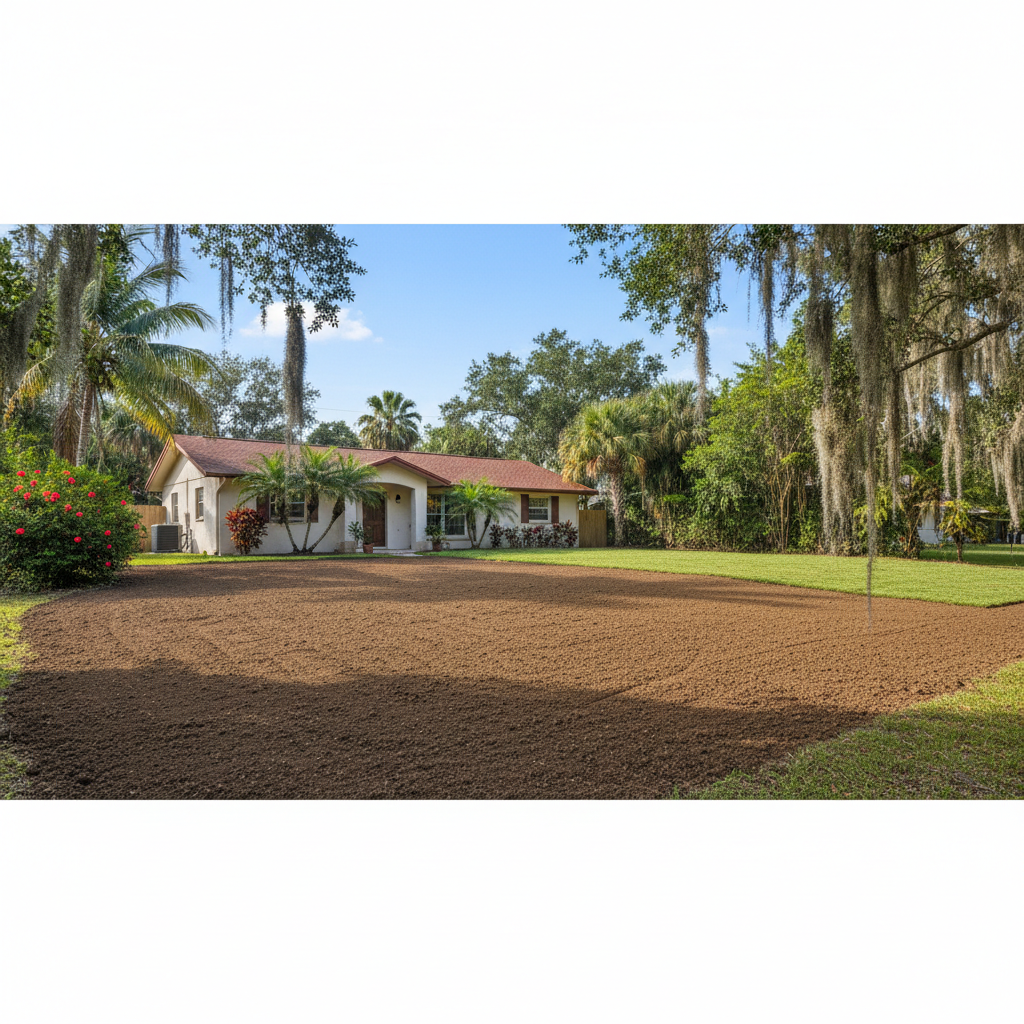
So, you're thinking about getting your lawn graded? Maybe you've got standing water after a good Hialeah downpour, or your yard just slopes in all the wrong directions. Whatever the reason, tackling a grading project is a smart move for your property. But it's not something you just jump into, you know? You've gotta plan it out, and I'm here to tell you what I've seen work best for folks right here in our neck of the woods.
Setting Your Project Timeline
Let's talk about how long this whole thing actually takes. It's definitely not an overnight job, that's for sure. A typical residential lawn grading project, depending on your yard's size and how much work needs doing, usually takes anywhere from a few days to a couple of weeks from start to finish. That's just for the actual dirt moving. Before that, though, you've got planning, getting quotes, and scheduling. Don't rush that part.
- Initial Consultation & Site Visit: This is step one. A good contractor will come out, walk your property with you, and talk through what you're trying to achieve. This usually happens within a week or two of your first call.
- Quote & Contract: Once they've seen the site, they'll put together a detailed quote. Give yourself a week or two to review it, ask questions, and compare with other bids. Seriously, don't be afraid to take your time here.
- Permitting (if needed): For major grading work, especially if it affects drainage onto neighboring properties or involves significant earth moving, you might need a permit from the city of Hialeah. Your contractor should handle this, but it can add anywhere from a few weeks to a couple of months to your timeline. Factor that in, especially if you're trying to get it done before hurricane season really kicks in.
- Scheduling the Work: Good contractors are busy. Once you've signed the contract, you might have to wait a few weeks for them to fit you into their schedule.
- Execution: As I said, the actual grading itself can be anywhere from 3 days to 2 weeks for most residential jobs.
- Post-Grading & Planting: After the grading, you'll likely want to lay sod or seed. That's another few days of work, and then you've got the waiting game for everything to establish.
So, from your first thought to a finished, graded, and planted lawn, you're probably looking at a 1 to 3-month process. Plan accordingly.
What to Expect During the Process
When the crew shows up, your yard's gonna look like a construction zone for a bit. It's just the nature of the beast. They'll bring in equipment — think small excavators, skid steers, maybe a Bobcat. It's not quiet work, and there'll be some dust, especially on those dry Hialeah days. They'll be moving a lot of dirt around, sometimes bringing in fill dirt or hauling excess away. You'll see stakes and string lines, which they use to get the grades just right.
The main goal is to create a gentle slope away from your house's foundation, direct water to appropriate drainage points, and eliminate any low spots where water can collect. They might also build up areas for garden beds or level out a spot for a patio. It's all about getting that proper flow so water doesn't sit and cause problems. They'll check those slopes carefully with transits or laser levels to make sure it's all up to snuff.
How to Prepare Your Property
Before the crew even thinks about rolling onto your property, you've got some homework to do. This makes their job easier and saves you potential headaches and extra costs.
- Clear the Area: Move anything that's in the way. Patio furniture, grills, planters, kids' toys, dog houses – get it all out of the yard. If you've got decorative rocks or stepping stones you want to keep, pull those up too.
- Mark Utilities: This is huge. Call 811 a few days before any digging starts. They'll come out and mark all the underground utility lines (gas, water, electric, cable). It's free, it's required by law, and it could save your life or prevent a massive repair bill. Don't skip this.
- Identify Sprinkler Heads/Lines: If you have an irrigation system, make sure you know where the heads and main lines are. Tell your contractor. A good crew will try to work around them, but sometimes they might need to be temporarily removed or adjusted. Better to know upfront than have a broken pipe, right?
- Trim Overhanging Branches: If you have low-hanging tree branches that might interfere with equipment, give them a trim.
- Talk to Your Neighbors: If the work is close to your property line, or if access requires using a shared driveway, give your neighbors a heads-up. A little courtesy goes a long way.
Questions to Ask Before Signing a Contract
You wouldn't buy a car without asking questions, right? Same goes for a big project like this. Don't be shy. Here are some key things I'd want to know if I were in your shoes:
- What's your experience with grading specifically in Hialeah? Our soil here can be pretty sandy in some spots, or heavy clay in others, and the water table is often high. You want someone who knows how to deal with that.
- Can you provide references from recent grading projects? And actually call them. Ask about communication, timeliness, and if they were happy with the final result.
- What equipment will you be using? This gives you an idea of the scale of the operation and if it's appropriate for your yard size.
- How will you protect my existing landscape and property? Are they going to put down plywood on your driveway, for example, if heavy equipment is coming in?
- What's your plan for managing excess soil or bringing in new fill? Will they haul it away, or is that an extra cost?
- What's the payment schedule? You usually pay a deposit, then progress payments, and a final payment upon completion. Never pay the full amount upfront.
- Do you carry liability insurance and workers' comp? This is non-negotiable. Ask for proof. If someone gets hurt on your property and they're not covered, you could be on the hook.
- What's the warranty on your work? A good contractor, like us at Israel Landscaping & Tree Services, will stand behind their work.
- Who will be my main point of contact during the project? You want one person you can call with questions or concerns.
- What's included in the price, and what's extra? Get everything in writing. Don't assume anything.
Asking these questions helps you find a reputable contractor and ensures you're both on the same page. A well-graded lawn can prevent a lot of headaches down the road, especially with our Florida weather. Do your homework, ask the tough questions, and you'll be set.