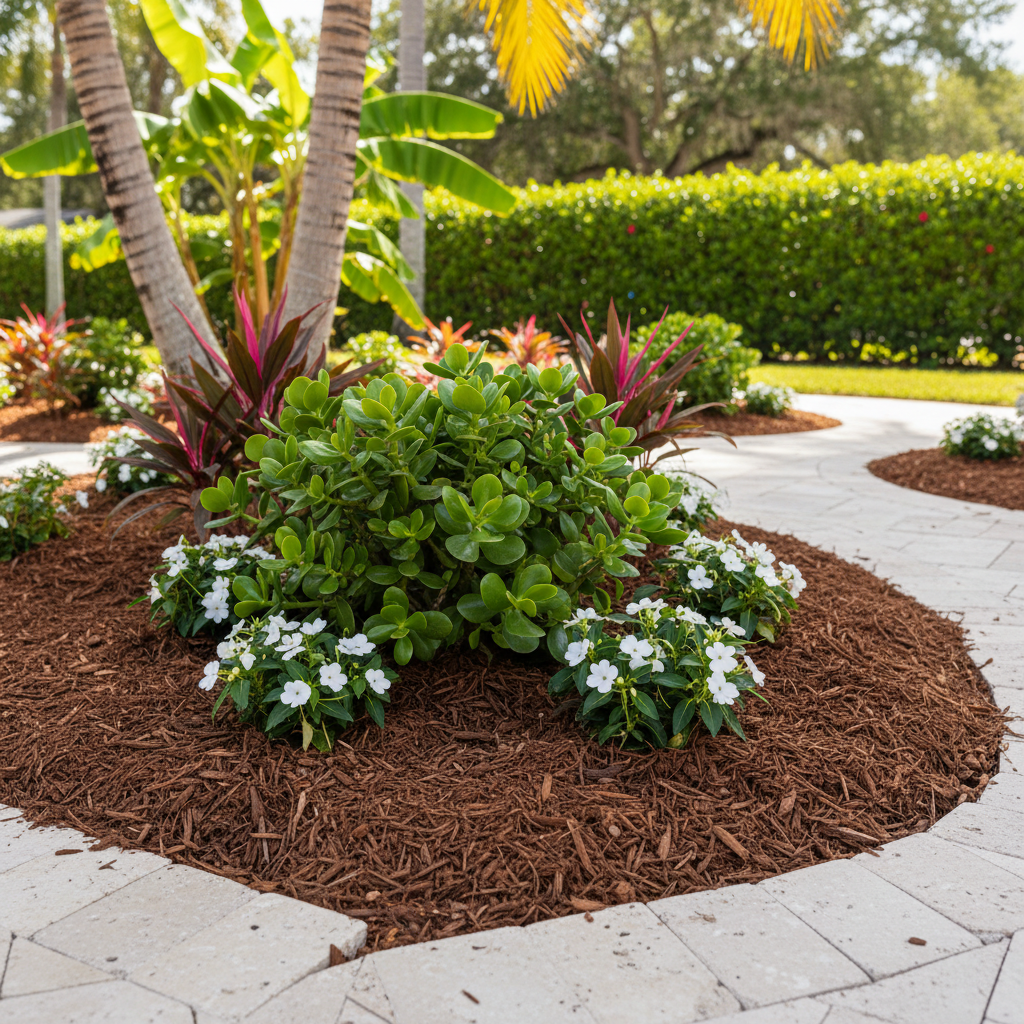
Alright, Hialeah homeowners, let's talk about getting those planting beds looking sharp and staying healthy. I've been doing this for a while with Israel Landscaping & Tree Services, and honestly, I hear the same questions come up again and again. It's not always as simple as just sticking a plant in the ground, especially with our unique South Florida climate, which can be pretty demanding. So, let's get into the nitty-gritty of what really works.
What's the deal with Hialeah soil, and how do I get it ready for new beds?
Our soil here in Hialeah, and much of South Florida, is usually pretty sandy. It drains fast, which sounds good on paper, but it also means it doesn't hold onto water or nutrients very well at all. Often, it's sandy over limestone, and in some parts of Hialeah, especially closer to the water, the ground sits pretty low, which can lead to its own set of challenges.
For new planting beds, you absolutely need to improve that soil. You can't just plant straight into the sand and expect things to flourish; it just won't happen. I always recommend adding a good amount of organic matter. Think compost, well-rotted manure, or even worm castings – this stuff is like gold for your soil. It helps it hold onto moisture, gives plants the nutrients they truly need to grow, and improves the overall structure, making it much more hospitable. If you're building raised beds, which I often suggest for better drainage and more control over soil quality, you'll want a mix of about 50/50 compost and good quality topsoil or garden soil. For in-ground beds, spread a 2-3 inch layer of compost and work it into the top 6-8 inches of your existing soil. It makes a huge difference.
What kind of plants actually grow well in Hialeah's heat and humidity?
This is where a lot of folks go wrong, honestly. You can't just pick anything that looks pretty at the nursery and expect it to survive. We're in USDA Hardiness Zone 10b, or even 11a in some parts of Hialeah, which means we rarely get frost. The real challenge, the thing that separates the strong from the weak, is the intense heat, humidity, and sometimes heavy rainfall we experience.
Your best bet is to focus on plants that are native to Florida or are well-adapted to our subtropical conditions. These plants have, over time, evolved to handle our heat, humidity, sandy soil, and even our occasional hurricanes. They'll need less water, less fertilizer, and generally be more resistant to pests and diseases once they're established. It just makes sense, doesn't it?
Some of my go-to recommendations for vibrant, low-maintenance color and foliage include:
- Hibiscus: A classic for a reason, with big, showy blooms that really stand out.
- Bougainvillea: Known for its bold, colorful flowers, and it's drought-tolerant once established, which is a big plus.
- Lantana: Offers clusters of bright flowers year-round and is very hardy.
- Pentas (Egyptian Star Flower): Attracts butterflies and hummingbirds, with charming star-shaped flowers.
- Firebush (Hamelia patens): A Florida native that hummingbirds absolutely love.
- Plumbago: Beautiful sky-blue clusters, great for hedges or ground cover, and it really pops.
- Coontie (Zamia integrifolia): A super tough native cycad that's very resilient, practically indestructible.
- Beautyberry (Callicarpa americana): Another beautiful native shrub with vibrant purple fruits that add a unique touch.
These are just a few, but they're proven performers that can handle what Hialeah throws at them, season after season.
How important is drainage, really, and what can I do to make it better?
Drainage is HUGE here. Seriously, don't underestimate it. With our sandy soils and heavy rainfall, especially during hurricane season, water can pool up and cause all sorts of problems. We're talking root rot, mosquito breeding grounds (which nobody wants), and even foundation damage to your home.
If your yard tends to get soggy, you've got options. Proper grading is always the first step – making sure the ground slopes away from your house, which is just common sense. For more persistent issues, we often look at solutions like:
- French Drains: These are trenches with perforated pipes and gravel that collect and redirect groundwater. They work really well in our sandy soils, moving water away efficiently.
- Dry Wells: Underground chambers that collect stormwater and let it slowly soak into the surrounding soil. They're a good discharge point for other drainage systems, giving water somewhere to go.
- Raised Beds: As I mentioned earlier, these help a lot with drainage because you're building up your planting area with improved soil, elevating plants above standing water.
- Native Plants: Many native plants have deep root systems that help absorb water and improve soil structure, acting like natural sponges.
Don't let standing water ruin your landscape or your home. It's worth investing in a good drainage plan; your property will thank you for it.
What about sun exposure? Does it really matter which way my house faces?
Absolutely, it matters! In Florida, the sun is no joke; it's a powerful force. The direction your yard faces dictates how much sun different areas get and at what time of day. This affects everything from plant health to how comfortable your outdoor living spaces are, which is something most people don't think about until it's too late.
- East-facing yards: These usually get gentler morning sun and more afternoon shade. This can be great for plants that don't want the intense midday or late afternoon heat. It also makes for a more comfortable spot for morning coffee or just hanging out.
- West-facing yards: These get blasted by the most intense afternoon and evening sun. If you have a west-facing yard, you'll need to be smarter about shade planning and plant selection. You'll want plants that can really take the heat, or you'll need to incorporate shade structures to protect them.
When we design beds, we're always looking at the sun's path throughout the day and across the seasons. We group plants with similar sun requirements together – that's called zone planting. It's all about putting the right plant in the right place so it can truly thrive, not just survive.
How do I keep pests and diseases from ruining my beautiful beds?
Pests and diseases are a fact of life in our warm, humid climate. They can pop up quickly, but a healthy plant is your best defense against them.
Here's what I tell my clients:
- Choose the Right Plants: Again, native and well-adapted plants are more naturally resistant to local issues.
- Healthy Soil: Good soil with plenty of organic matter leads to strong plants that can fight off problems. It's the foundation of everything.
- Proper Watering: Don't overwater, which can lead to fungal problems like root rot, powdery mildew, or leaf spot. Deep watering a couple of times a week is usually better than daily shallow watering.
- Good Air Circulation: Don't overcrowd your plants. Give them space to breathe to help prevent fungal diseases from taking hold.
- Inspect Regularly: Walk your beds often. Catching pests like aphids, whiteflies, or mealybugs early can make a big difference in control. Look for discolored leaves, sticky residue (honeydew), or visible insects.
- Prune Smart: Remove any diseased or infested parts of plants promptly. Make sure your tools are clean to avoid spreading anything around.
If you do get an infestation, sometimes a simple organic solution like neem oil or insecticidal soap can do the trick. For bigger problems, Israel Landscaping & Tree Services can help you figure out the best course of action, because sometimes you need a pro's touch.
What plants are tough enough to handle hurricane season?
Living in Hialeah, hurricanes are a reality we all deal with. You want plants that can take a beating and bounce back, not just fall apart. While no plant is truly hurricane-proof, some are definitely more resilient than others.
Look for plants with strong, flexible branches and deep root systems. Native plants often fit this bill because they've adapted to our stormy weather over generations, which means they're built for it.
Some good hurricane-resistant choices for your beds include:
- Sabal Palm (Sabal palmetto): Our state tree, it's super flexible and bends with the wind, often surviving intact.
- Live Oak (Quercus virginiana): Known for its strong branches and deep roots, it holds up well against strong winds.
- Gumbo Limbo (Bursera simaruba): Sheds its leaves in high winds but regrows quickly, a real survivor.
- Sea Grape (Coccoloba uvifera): Another one that sheds leaves, but its structure stays intact, ready for regrowth.
- Coontie (Zamia integrifolia): As mentioned, it's practically indestructible, a truly solid choice.
- Green Buttonwood (Conocarpus erectus): A tough, salt-tolerant option that handles coastal conditions well.
Planting in groups can also help stabilize trees and shrubs during high winds, giving them collective strength. And remember, proper pruning before hurricane season can make a big difference in how well your plants fare; it's all about preparation.
Getting your planting and bed design right in Hialeah means understanding our local conditions and choosing plants that are set up for success. It saves you time, money, and frustration in the long run, which is what everyone wants, right? If you're ever unsure, don't hesitate to ask a local pro who knows the ins and outs of landscaping here in South Florida.