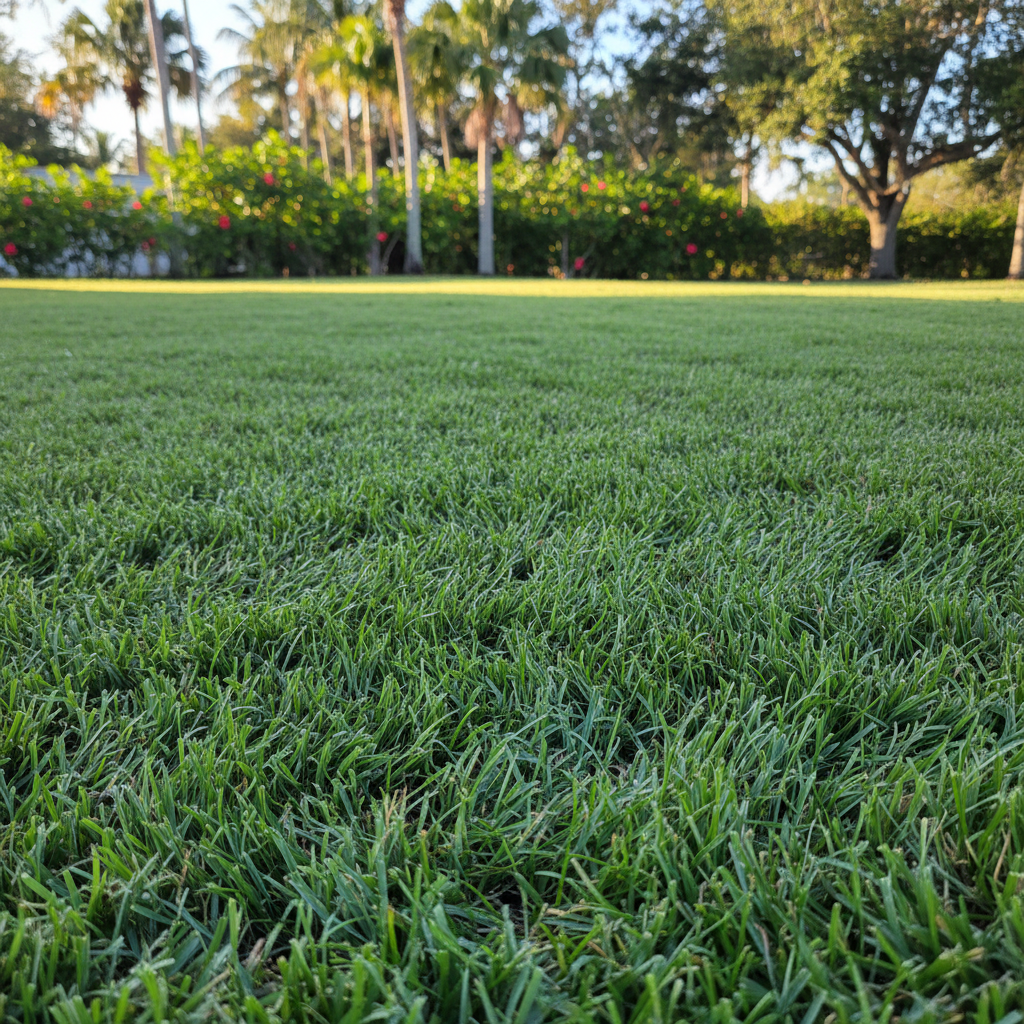
So, you're looking at your yard and thinking it's time for a change, maybe some fresh, green sod. It's a great way to instantly boost your home's curb appeal and get a usable lawn fast. But before you jump in, you've got to ask yourself: is this something I can tackle myself, or should I just call in the cavalry?
As someone who's laid more sod than I care to count around Hialeah, I've seen it all – the good, the bad, and the really ugly DIY jobs. Let me walk you through what you need to know, so you can make the right call for your yard.
Before You Even Think About Sod
This is where most folks mess up, honestly. A beautiful sod lawn starts long before the first roll hits the dirt. You can't just throw sod over weeds and expect magic. Here's what you absolutely need to do:
- Clear the Deck: Get rid of all existing vegetation. That means weeds, old grass, rocks, roots – everything. You can do this by hand, with a sod cutter (you can rent these), or with a non-selective herbicide. If you go the herbicide route, give it a couple of weeks to really work and then clear out the dead stuff.
- Grade It Right: This is crucial, especially in South Florida where drainage is always a concern. You want a gentle slope away from your house's foundation so water doesn't pool up. We're talking about a quarter-inch drop per foot for the first 6-10 feet. If your yard is uneven, you'll need to bring in some fill dirt to create that smooth, consistent grade.
- Soil Prep is Key: Our Hialeah soil, especially in some of the older neighborhoods like around Palm Avenue, can be pretty sandy or compacted. You need good, rich topsoil for your new sod to root into. Spread 4-6 inches of good quality topsoil evenly over your prepared area. Then, rake it smooth. You want it firm but not compacted, so you can walk on it without sinking.
- Get Your Sod Order Right: Measure your area carefully! Order about 5-10% more sod than you think you need to account for cuts and irregular shapes. And make sure you're getting fresh sod. It should be green, moist, and smell like fresh earth, not like old compost. Schedule delivery for the day you plan to install, because sod doesn't like to sit around.
Getting Your Hands Dirty: The Installation
Alright, you've prepped the ground, the sod's arrived, and it's time to get to work. This part is definitely doable for a homeowner, especially if you've got a buddy or two to help you out.
- Start Laying: Begin along a straight edge, like a driveway or sidewalk. Lay the first row, making sure the edges are tight against each other, but don't overlap. Stagger the joints like bricks in a wall – this helps prevent erosion and gives you a more uniform look.
- Cut and Fit: Use a sharp utility knife or a sod cutter to trim pieces to fit around curves, trees, or garden beds. Don't leave small, thin strips at the edges; these dry out fast.
- Roll It Out: Once a section is laid, use a lawn roller (you can rent one of these too) to press the sod down. This ensures good contact between the sod and your prepared soil, which is essential for rooting.
- Water Immediately: As soon as you've laid a section, water it. Don't wait until you're done with the whole yard. Your new sod is thirsty!
The Crucial Aftercare
You've done the hard work, but it's not over yet. The first few weeks are critical for your sod to establish itself.
- Water, Water, Water: For the first 7-14 days, you need to keep that sod consistently moist. That means watering 2-3 times a day, especially with our South Florida sun. You want the top 3-4 inches of soil to be damp. After that, you can gradually reduce frequency but increase the duration, encouraging deeper root growth.
- Stay Off It: Avoid heavy foot traffic for at least 2-3 weeks. Let those roots get a good grip.
- First Mow: Wait until the sod is firmly rooted, usually around 2-3 weeks. You'll know it's ready when you can gently tug on a corner and it doesn't lift easily. Set your mower to its highest setting for the first few cuts.
- Fertilize (Eventually): Don't fertilize immediately after installation. Wait about 4-6 weeks, then apply a starter fertilizer to give those new roots a boost.
DIY or Call Israel Landscaping & Tree Services?
Look, laying sod isn't rocket science, but it is hard work. It's physically demanding, especially the soil prep and grading. If you've got a small, relatively flat yard and some strong friends, you can probably handle it. You'll save on labor costs, for sure.
However, if you have a large yard, significant grading issues, or just don't have the time or the back for it, hiring a professional is a smart move. We've got the equipment, the experience, and we can get it done efficiently and correctly, ensuring proper drainage and a healthy lawn from day one. Sometimes, the peace of mind knowing it's done right is worth every penny.
Ultimately, the choice is yours. Just remember, a little planning and elbow grease go a long way, whether you're doing it yourself or having us handle it for you. Your Hialeah home deserves a great lawn!