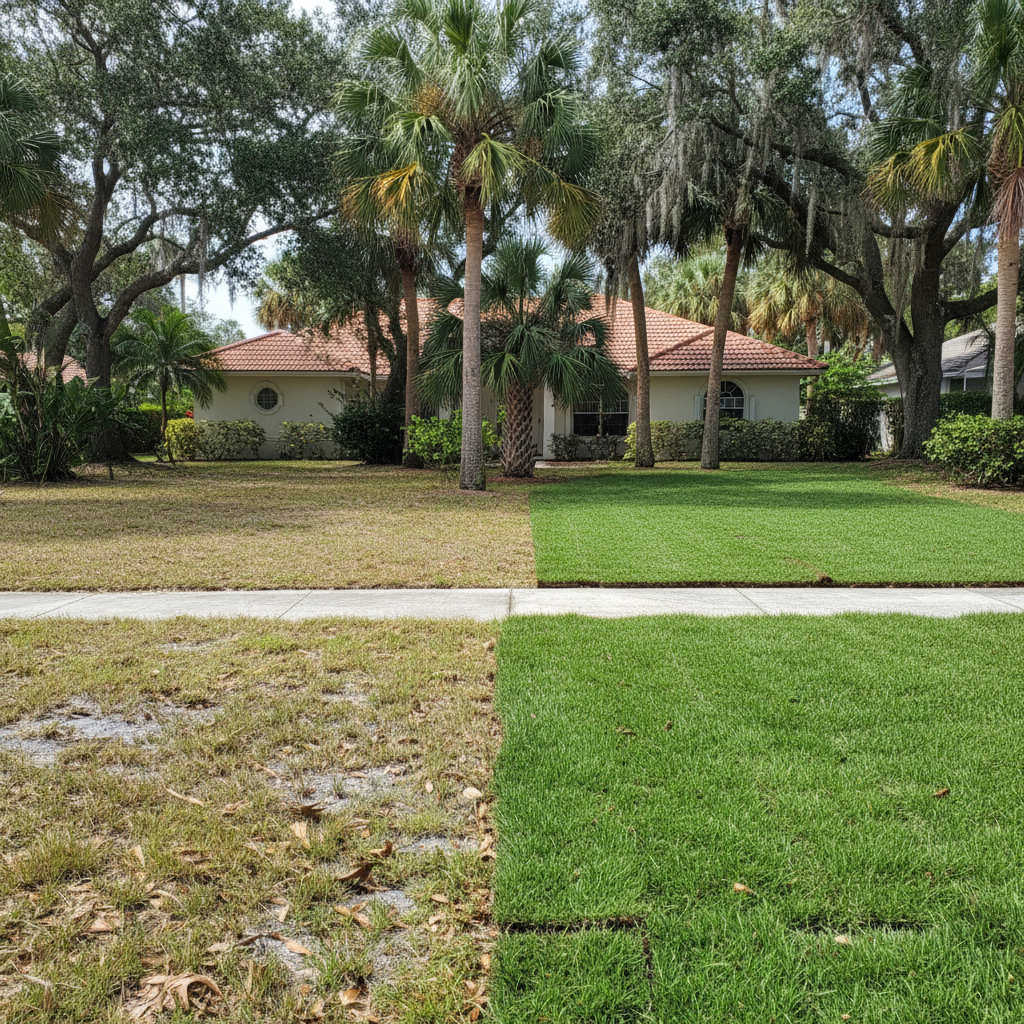
Alright, so you're looking to get some green down on your property here in Hialeah. Maybe your old lawn's seen better days, or you're starting fresh with a new build. When it comes to putting down new grass, most folks immediately think of those big rolls of sod. But you know, there's another way to go about it: sod plugs. I've laid down plenty of both over the years, and each has its place. Let's talk about what you need to consider before you make a call.
Sod Rolls: Instant Green, Instant Gratification
This is what most people picture when they hear 'sod installation.' You get these big, pre-grown sections of grass, usually in rolls or squares, and you lay them down side-by-side. It's like unrolling a carpet of green right onto your yard. The biggest upside? It's instant. You go from dirt to a pretty decent-looking lawn in a day, sometimes even a few hours depending on the size of your yard.
Cost: This is usually the more expensive option upfront, no two ways about it. You're paying for fully mature grass that's been grown and maintained at a farm. The cost per square foot is higher than plugs, and then there's the labor to install it. It's heavier work too, so if you're hiring someone like us at Israel Landscaping & Tree Services, that's factored in.
Durability: Once it's rooted, it's tough. Because it's mature, it can handle foot traffic and general wear and tear pretty well, faster than a new lawn from plugs. The key is getting it to root properly, which means consistent watering right after installation. We're talking about our hot Hialeah sun here; that new sod needs a lot of water to establish itself and not dry out.
Maintenance: Initial maintenance is crucial. You'll be watering it heavily for the first few weeks, sometimes multiple times a day, to encourage those roots to dig into your soil. After it's established, it's pretty much standard lawn care – regular mowing, fertilizing, and watering as needed. You won't have to deal with weeds popping up through bare spots like you might with plugs initially.
Appearance: Unbeatable for immediate curb appeal. If you've got an HOA breathing down your neck or you just want your place to look sharp right away, rolls are the way to go. It gives you a uniform, dense lawn from day one.
Sod Plugs: Patience Pays Off
Sod plugs are basically small sections of sod, usually a few inches wide, that you plant individually, spaced out across your yard. Think of it like planting a bunch of small plants that are meant to grow and spread to fill in the gaps. It's a slower process, but it can be a smart move for some homeowners.
Cost: This is where plugs really shine for budget-conscious folks. They're significantly cheaper to buy per square foot of coverage because you're not buying a solid sheet of grass. You're buying little pieces that will eventually grow together. Installation labor can be less too, especially if you're doing it yourself, as it's not as heavy or as much of a rush as laying rolls.
Durability: Once the plugs grow together and form a solid lawn, their durability is comparable to a rolled sod lawn. The catch is that 'once they grow together.' During that grow-in period, your lawn will be patchy, and those individual plugs are more vulnerable to being disturbed by kids, pets, or even heavy rain before they've fully rooted and spread. It can take anywhere from a few months to a year or more for a full, dense lawn, depending on the grass type and how well you care for it.
Maintenance: Initial maintenance is still important, especially watering, but it's often less intense than with rolls. You're trying to get those small plugs to grow and spread. Weed control becomes a bigger factor here. While your plugs are spreading, you'll have bare soil between them, which is an open invitation for weeds to take root. You'll need to be diligent with weeding or use appropriate pre-emergents to keep them at bay.
Appearance: This is the biggest trade-off. For a while, your lawn is going to look like a checkerboard or just plain patchy. It's not going to give you that instant green look. If you're okay with a gradual transformation and don't mind a less-than-perfect lawn for a few months, then this isn't a problem.
My Takeaway for Hialeah Homeowners
So, which one should you go with here in Hialeah? Honestly, for most of my clients, especially with our sandy-loam soils and the intense sun we get, I usually lean towards sod rolls. Here's why:
- Instant Establishment: Our weather can be brutal. Getting a fully established lawn down quickly means it has a better chance of surviving those first few weeks without drying out completely.
- Weed Control: The dense coverage of rolls helps suppress weeds from the get-go. With plugs, you're fighting a battle against weeds while you wait for the grass to spread, and that's extra work you might not want.
- Watering Efficiency: While rolls need a lot of water upfront, that solid mat of grass retains moisture better than individual plugs in bare soil.
- Curb Appeal: Let's be real, everyone wants their home to look good. Rolls give you that immediate impact.
Now, if you're on a really tight budget, you've got plenty of patience, and you don't mind putting in the extra effort for weeding, plugs can work. They're also a good option for repairing smaller, isolated patches of lawn where you don't need a whole roll. But for a full lawn renovation, especially here in South Florida where things grow fast – including weeds – the reliability and immediate results of sod rolls usually win out.
Whichever route you choose, remember that proper soil preparation is non-negotiable. You can put down the best sod in the world, but if the soil underneath isn't ready, you're just throwing money away. Get that ground leveled, add some good topsoil if needed, and make sure your irrigation is dialed in. That's the foundation for any successful Hialeah lawn, no matter if it starts as a roll or a plug.